Category: T42b

  • A Day by Day Idea for a Bulgaria Vacation

    A Day by Day Idea for a Bulgaria Vacation

    Before you leave: decide how you want the trip to feel. Some travelers want active days with plenty to see, while others prefer a slower holiday built around relaxed meals and time to explore. A Bulgaria vacation can be planned to suit either style, as long as the schedule leaves enough room to enjoy each day.

    Day one can be about settling in

    Keep the first day simple. Arrive, get comfortable and take a short walk if you feel ready. You do not need to begin the trip with a full itinerary. A gentle start gives everyone time to adjust and helps you begin the holiday without feeling rushed.

    When exploring ideas, the Bulgaria Vacation page may help you consider ways to shape your plans. Think about the interests you share as a group, the amount of time you have and how much travel you want each day.

    Build the middle around your interests

    Choose a few main experiences for the days when you have the most energy. You might plan a guided visit, time outdoors or an outing focused on local culture. Avoid putting too many major activities into one day. A satisfying itinerary gives you time to enjoy each stop and take breaks when needed.

    Travelers with different preferences can plan a mix of shared activities and free time. One person may enjoy a longer walk, while another prefers a quiet break. Setting expectations before the day begins makes it easier for everyone to have a good time.

    Keep the final day light

    Leave room at the end of the holiday to revisit a favorite place, enjoy a leisurely meal or prepare for onward travel. A lighter final day can feel more relaxing than trying to fit in one last full schedule.

    Make Istanbul a separate experience

    If your wider plans include Istanbul, think about what you want from the city before arranging a visit. An Istanbul Tour Guide Ensar can be a starting point for exploring a guided experience. Allow enough time to enjoy the city at your own pace.

    Before each outing, check meeting details and expected timing. Comfortable shoes, suitable clothing and a small bag for essentials can make the day easier. A day by day plan helps you keep the trip organized while leaving room to be spontaneous.

  • Daily Istanbul Tour for a Well Planned First Visit

    Daily Istanbul Tour for a Well Planned First Visit

    Start with three clear priorities

    A single day in Istanbul can feel full and memorable when you begin with a clear plan. The city has many famous sights, busy streets, local food stops, and scenic viewpoints. Trying to see everything can make the day tiring, so choose three priorities that matter most to you.

    You may want to focus on history, architecture, food, shopping, or views near the water. Once you know your main interests, it becomes easier to shape a route that feels realistic and enjoyable.

    Keep the route connected

    A well planned day avoids spending too much time crossing the city. Choose areas that are close together and give yourself enough time to walk between stops. The streets connecting major sights are often just as interesting as the destinations themselves.

    For travelers who want a route built around their own pace, Daily Istanbul Tour can be a useful starting point. Think about when you arrive, where you are staying, and how much walking you enjoy before arranging the day.

    A connected route might include a historic area in the morning, a local lunch, and a relaxed afternoon near a scenic district. This approach leaves room to pause and enjoy the surroundings.

    Prepare for the city on foot

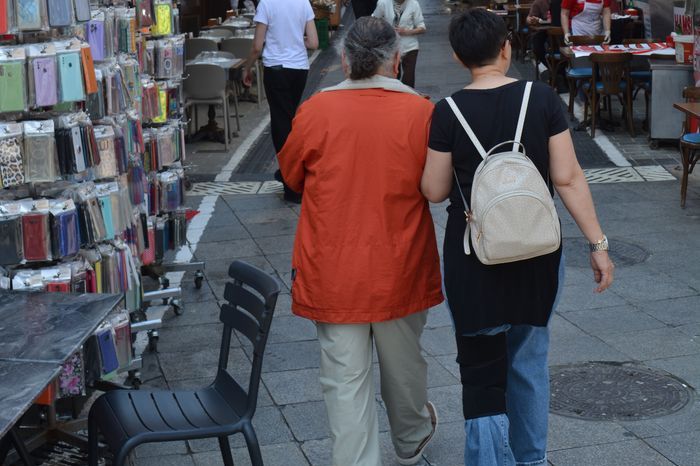
    Istanbul includes hills, steps, stone paths, and busy sidewalks. Comfortable shoes make a big difference during a full day out. Bring water, check the weather, and carry a light layer if the forecast may change.

    Avoid carrying too much. A small bag with your essentials helps you move easily through streets, markets, and public areas. Keep your phone charged for photos and directions, but remember to take time away from the screen as well.

    Add local stories to the route

    A guide can help you understand what you are seeing and make the day feel more connected. You may learn how a street changed over time, why a building matters, or where local residents like to spend their free time.

    For a personal city experience, consider Ensar Tour Guide when planning your visit. Ask questions during the walk and collect ideas for places you may want to return to later.

    End the day without rushing

    Leave the last part of the day open. You may want to enjoy a longer meal, watch the city lights, or revisit a place that caught your attention. A daily Istanbul tour works best when it gives you a clear structure while allowing the city to surprise you.

  • Walking Guided Tours Ephesus for Families and Small Groups

    Walking Guided Tours Ephesus for Families and Small Groups

    Plan around the group

    A visit to Ephesus can be rewarding for travelers of different ages, but a successful day starts with a realistic plan. Think about how long everyone can comfortably walk and which parts of the site matter most. A guided route can help keep the group together and make the history easier to follow.

    Before booking, check the tour length, meeting point, and walking demands. Families may prefer a route with regular pauses, while a small group of history fans might enjoy a deeper explanation at each stop.

    Turn ruins into a shared story

    Children and adults may notice different things at Ephesus. One person may focus on the Great Theatre, while another is curious about how people traveled through the old streets. A guide can offer stories and context that give everyone something to discuss as the walk continues.

    Review Walking Guided Tours Ephesus when considering tour options. Look for details that match your group’s interests and pace. A clear route can make it easier to balance landmarks with time to rest and observe.

    Keep the day manageable

    The site includes uneven stone paths and open areas. Comfortable walking shoes are important, and water should be easy to reach. Check the weather and bring suitable clothing, including sun protection when needed.

    If anyone in the group has mobility concerns, ask about the route before booking. Consider carrying snacks for children and planning short breaks. A relaxed visit is often more enjoyable than trying to cover every feature.

    Invite everyone to take part

    Give each person a simple thing to notice. Younger visitors might look for the largest structure, while adults may watch how the streets connect. Ask questions as a group and let everyone share what stands out. This turns sightseeing into a shared activity rather than a lecture.

    Photos and short pauses can help keep the visit engaging. Make sure the group follows site rules and stays on permitted paths.

    Remember the day together

    A guided walk through Ephesus can bring history to life through movement, conversation, and discovery. Choose a route that suits the group, prepare for the outdoor conditions, and leave enough time for breaks. The shared experience can become a highlight of a trip long after the visit ends.

  • The Janissary Agha and the Power of the Janissary Treasury

    The Janissary Agha and the Power of the Janissary Treasury

    The Commander of the Janissaries

    The commander of the Janissary Corps was known as the Janissary Agha (Yeniçeri Ağası). This was one of the most important military offices in the Ottoman Empire. Because the position carried great responsibility, the Janissary Agha was usually selected from the Royal Chamber of the imperial palace. Men chosen for this role had been educated within the palace system and were considered loyal servants of the Sultan Private Fun Tour Istanbul.

    The Ottoman government believed that appointing a palace-trained officer helped maintain discipline within the Janissary Corps. Since the commander owed his career directly to the Sultan, he was expected to remain loyal to the throne rather than to the soldiers under his command. This policy also helped the government monitor possible conspiracies and reduce the risk of military rebellions.

    The Janissary Treasury

    Unlike many other high-ranking Ottoman officials, the Janissary Agha’s wealth did not automatically become the personal property of the Sultan after his death or execution. Instead, much of his estate was transferred to the Janissary Treasury, a special fund that supported the military corps.

    As Ensar Tour Guide often explains during visits to Ottoman historical sites, the Janissaries were not simply soldiers. They formed a powerful institution with their own traditions, financial resources, and strong sense of identity. The existence of a separate treasury made the corps more independent than many other branches of the Ottoman government.

    Wealth and Political Influence

    The Janissaries also controlled estates and sources of income in several parts of Anatolia. These revenues strengthened the corps financially and allowed it to support its members beyond their regular military salaries.

    However, this financial independence also created political challenges. A military organization with its own income and treasury could become difficult for the central government to control. Over time, the Janissaries gained considerable influence over Ottoman politics, and their leaders sometimes challenged the authority of the Sultan and his ministers.

    Many historians believe that this growing independence contributed to the political instability that affected the Ottoman Empire during the seventeenth and eighteenth centuries. Although the Sultans possessed absolute authority in theory, they often found it difficult to limit the power of such a wealthy and influential military corps.

    The history of the Janissary Agha and the Janissary Treasury illustrates how military strength, financial independence, and political influence became closely connected in the Ottoman Empire, bringing both stability and serious challenges to imperial rule.

  • Military Forces in the Ottoman Provinces of Karamania and Diyarbakır

    Military Forces in the Ottoman Provinces of Karamania and Diyarbakır

    The Province of Karamania

    Karamania was one of the important provinces of the Ottoman Empire in central Anatolia. Like other provinces, it was divided into districts called sanjaks, each responsible for providing soldiers through the Ottoman land grant system. Historical imperial records list seven sanjaks within the province, including Konya, Niğde, Kayseri, Yenişehir, Akşehir, Kırşehir, and Aksaray.

    These districts contained both Zaims and Timariots, military landholders who received income from estates in return for military service. According to the historical registers, Karamania included approximately 73 Zaims and 2,165 Timariots Customized Daily Sofia Tours.

    These figures provide historians with valuable information about how the Ottoman military was organized, although the exact numbers could change over time.

    Military Obligations

    Every Zaim and Timariot was responsible for bringing mounted soldiers to the army whenever the Sultan called for a campaign. Historical estimates suggest that the Zaims of Karamania could provide around 292 cavalrymen, while the Timariots supplied approximately 4,600 mounted troops.

    Together, these forces produced an estimated cavalry strength of nearly 4,900 soldiers. The military system connected the value of each land grant directly to the number of horsemen that its holder was expected to provide.

    This method allowed the Ottoman Empire to maintain a large cavalry force without paying every soldier directly from the imperial treasury.

    The Revenue of the Province

    Historical records also mention that the combined value of these military land grants was recorded at more than 10 million aspers, the silver coins used throughout much of the Ottoman Empire. These revenues supported both local administration and military service.

    Because the land remained the property of the state, the Sultan could redistribute estates whenever necessary, ensuring that military obligations continued to be fulfilled.

    The Government of Diyarbakır

    The neighboring province of Diyarbakır also played an important role in the Ottoman military system. Historical sources mention twelve sanjaks, together with the mountainous regions of Kurdistan, which reportedly supplied an additional 1,800 soldiers.

    Although surviving records do not list every military landholder, they show that Diyarbakır made an important contribution to the empire’s eastern defenses. Its strategic position near the Persian frontier made the province especially valuable during periods of conflict.

    Discover Ottoman Heritage Today

    Many reminders of the Ottoman Empire can still be explored across Türkiye and the Balkans. Travelers interested in history often choose private Sofia tours to discover Sofia’s Ottoman mosques, Roman ruins, medieval churches, and fascinating museums. Others enjoy customised Sofia tours, where flexible itineraries include hidden historical streets, archaeological sites, traditional markets, and beautiful landmarks. These personalized experiences offer an excellent introduction to Bulgaria’s rich multicultural heritage while revealing the lasting influence of the Ottoman Empire on the region.