Category: T14a

  • One Day in Bulgaria with Room to Explore

    One Day in Bulgaria with Room to Explore

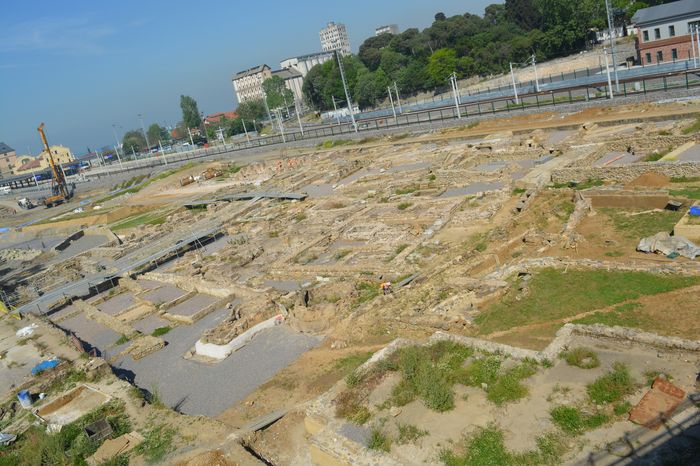
    Morning: The day begins with a simple plan and comfortable shoes. Your group has chosen a few places that match its interests, leaving enough time to enjoy each one. A private tour can offer a more flexible way to explore Bulgaria, especially when everyone wants a different balance of sightseeing and free time.

    A morning built around curiosity

    Start with an experience that gives the day a clear focus. You might choose a guided walk, a historic visit or time to explore an area at a relaxed pace. Ask questions, take photographs and make room for a break when the group needs one. The goal is to enjoy the visit rather than hurry through it.

    A Private Tour Bulgaria plan can be tailored around your group’s interests. When arranging the day, share what you hope to see and how much walking feels comfortable. A useful plan begins with the people who will be taking the tour.

    An afternoon with more breathing room

    After a busy morning, consider a slower afternoon. A relaxed meal or some free time can help the day feel balanced. If the itinerary includes travel between places, ask about the expected timing and whether a pause can be included. A little flexibility can make the journey more pleasant.

    Traveling with other people often means balancing different preferences. Someone may want to spend longer at a particular stop, while someone else is ready to move on. Discuss a few shared priorities before the tour so the group has a useful starting point.

    Practical notes for the day

    Check the meeting point and departure time in advance. Bring water, comfortable walking shoes and clothing suited to your activities. Keep any necessary documents and booking details easy to access. If anyone in the group needs extra breaks, include that in the plan.

    Evening: Review the day without worrying about how many places you visited. A memorable experience might be a conversation, a view or the chance to explore at your own pace.

    If your wider travels include Turkey, an Istanbul Tour Guide Ensar may help you plan a separate city outing. Allow time for Istanbul to have its own rhythm instead of squeezing it into a rushed travel day.

    A private tour can make one day feel personal by leaving room for both planned visits and quiet moments. Choose a few meaningful experiences, keep the schedule realistic and let the day unfold.

  • Walking Tours Istanbul for a Slow Morning Adventure

    Walking Tours Istanbul for a Slow Morning Adventure

    Start before the city feels crowded

    A morning walk in Istanbul can offer a different kind of travel experience. The streets are often calmer, the light is softer, and there is more room to notice the details around you. A slow start can make the rest of the day feel more relaxed and help you enjoy the city without rushing.

    Begin with a comfortable breakfast and choose one area to explore. You do not need a packed plan. One historic district, a nearby market, or a route toward the water can be enough for a memorable morning.

    Follow the rhythm of local life

    Morning is a good time to observe how the city wakes up. Shops begin to open, commuters move through public spaces, and cafes welcome their first visitors. These everyday moments can give a fuller picture of Istanbul than a fast visit to major landmarks.

    If you enjoy exploring at a steady pace, Walking Tours Istanbul can help you plan a route that includes history, local scenes, and time for a break. A guide can make it easier to notice details that would otherwise pass by unnoticed.

    Choose a route with short distances between stops. This gives you time to look around, take photographs, and stop when an interesting street or view catches your eye.

    Prepare for a pleasant walk

    Wear supportive shoes even if you plan a short route. Istanbul has slopes and uneven surfaces that can make casual shoes uncomfortable after a few hours. Bring water and check the forecast before heading out.

    A small umbrella or light jacket can be useful when weather conditions are uncertain. If you are visiting during a warmer season, start early to enjoy cooler temperatures and quieter streets.

    Turn questions into discoveries

    A guided morning walk can be especially useful for travelers who enjoy learning through conversation. Ask about the buildings, street names, local food, or changes in the neighborhood. A simple question can lead to a story that makes the place more memorable.

    For a personalized introduction to the city, explore Ensar Istanbul Tour Guide. A local guide can help you shape the morning around your interests and suggest how to continue the day after the walk ends.

    Carry the calm into the rest of the day

    A slow morning walk can set a wonderful tone for an Istanbul visit. You have time to see the city clearly, enjoy its atmosphere, and build confidence for further exploration. Choose a route that feels manageable and let the day develop from there.

  • A Slower Way to Discover Ephesus on Foot

    A Slower Way to Discover Ephesus on Foot

    Leave space in the day

    The best walking experiences often begin with an unhurried plan. Ephesus has many remains to explore, and moving too quickly can make it harder to appreciate the streets and setting. Set aside enough time for the route, brief rests, and unexpected discoveries.

    Consider what kind of visit you want. Some travelers prefer a history focused walk, while others enjoy adding food and local culture. Choosing a route that reflects your interests can make the outing more rewarding.

    Follow the shape of the city

    Walking through Ephesus helps visitors see how the ancient city was arranged. The Library of Celsus and the Great Theatre are major highlights, but the routes and spaces connecting them add valuable context. Notice how the paths guide you through different sections of the site.

    For a walk with a culinary focus, explore this Walking Tour Ephesus option. Check the itinerary, duration, and meeting details so you can plan the day with confidence.

    Make practical preparations

    Ephesus is an outdoor archaeological site, so expect uneven paths and changing weather. Wear comfortable shoes, bring water, and check the forecast. A hat and sun protection can help on warm days. If you are visiting with someone who needs a gentler pace, ask about the walking route before booking.

    It is also helpful to check current visitor information before you go. Plan realistic travel times and allow a little flexibility in case the visit takes longer than expected.

    Let your attention wander

    A slower pace gives you time to observe details beyond the main sights. Look at the stonework, the layout of the streets, and the open views between buildings. Take a moment to imagine the sounds and movement of an active city in the same spaces.

    If you have a guide, ask about anything that catches your attention. If you are walking independently, use the pauses to take photographs or simply enjoy the atmosphere. Both approaches can make the site feel more engaging.

    Carry the experience with you

    A walk through Ephesus can bring ancient history into focus through movement and observation. The city becomes easier to understand when you see how its spaces connect. With a comfortable route, thoughtful preparation, and time to explore, a walking tour can become a highlight of your travels.

    8:08

  • The Growth and Appearance of the Janissaries

    The Growth and Appearance of the Janissaries

    The Expansion of the Janissary Corps

    When the Janissary Corps was first established, it is believed to have consisted of only 6,000 to 7,000 soldiers. Over the centuries, however, its numbers increased significantly. By the seventeenth century, the corps included around 20,000 active fighting men, making it one of the most important military forces in the Ottoman Empire.

    In reality, the number of people connected to the Janissaries was much larger. Historical records suggest that more than 100,000 people claimed the title or privileges of a Janissary, even though many of them were not active soldiers. Some individuals were officially registered under the name of a serving Janissary, allowing several people to share the same military status.

    This practice became popular because Janissaries enjoyed valuable privileges, including exemption from certain taxes and government duties. In some cases, people reportedly paid money or gave yearly gifts to military officers in exchange for being recognized as Janissaries. While this brought personal benefits, it also weakened the discipline and effectiveness of the corps over time Istanbul Old City Tours.

    Appearance and Dress

    The Janissaries had a distinctive appearance that made them easy to recognize. They wore a unique military uniform and followed strict rules about personal grooming.

    One of their most noticeable customs was shaving the chin and lower lip while keeping the mustache. Some early writers believed this style had been influenced by Italy, but historians generally agree that the custom was much older and had developed within the Ottoman military tradition itself.

    As Ensar Tour Guide often explains during visits to Topkapı Palace, appearance played an important role in Ottoman society. Hairstyles, clothing, and beards often reflected a person’s rank, profession, and social status.

    A Symbol of Service

    Among the Janissaries and many palace servants, shaving the beard symbolized obedience and service to the Sultan. The same custom was followed by palace pages, gardeners, woodcutters, and other imperial officials who served within the royal household.

    When a Janissary retired from military service, received a government appointment, or was released from his duties, he was allowed to grow a full beard. This was considered a visible sign of freedom, maturity, and personal dignity.

    The traditions of the Janissaries show how military discipline extended beyond the battlefield. Their appearance, behavior, and privileges all reflected the highly organized structure of the Ottoman Empire and helped create one of history’s most famous elite infantry forces.

  • The Military Duties of the Zaims in the Ottoman Empire

    The Military Duties of the Zaims in the Ottoman Empire

    The Responsibilities of the Zaims

    The Zaims were important members of the Ottoman military system. They received the income from large land grants in return for serving the Sultan during times of war. Their responsibilities extended far beyond simply appearing on the battlefield. Each Zaim was expected to arrive fully prepared, bringing not only himself but also soldiers, horses, equipment, and supplies needed for a military campaign.

    This arrangement allowed the Ottoman Empire to maintain a powerful cavalry without paying every soldier directly from the imperial treasury.

    Preparing for Military Campaigns

    Whenever the Sultan announced a military expedition, every Zaim was required to travel with a complete military camp. Historical records explain that their tents were expected to include kitchens, stables, storage areas, and other necessary facilities suitable for a commander of their rank Sofia Old City Tours.

    These mobile camps allowed armies to remain organized during long journeys. Soldiers could prepare meals, care for their horses, and repair equipment while moving across large distances. Since campaigns often lasted for months, careful preparation was essential for military success.

    The size and quality of each camp usually reflected the wealth and status of the individual Zaim.

    Providing Cavalry Soldiers

    One of the most important duties of a Zaim was supplying cavalry to the Ottoman army. Historical sources state that for every 5,000 aspers of annual income received from the Sultan, a Zaim was expected to provide one mounted soldier known as a cebelu.

    For example, a Zaim receiving 30,000 aspers in annual revenue would normally bring six cavalrymen into the field. Another receiving 90,000 aspers would provide eighteen mounted soldiers. In this way, the size of each military contingent was directly connected to the income of the land grant.

    This system ensured that wealthier landholders contributed larger forces during military campaigns.

    The Meaning of the “Sword”

    Every Zaim was regarded as one “Sword” in the Ottoman military records. When government officials calculated the military strength of a province, they counted the number of Zaims and Timariots rather than immediately calculating every individual soldier.

    Because each Zaim arrived with additional cavalrymen, servants, and equipment, the total military force was much larger than the number of “Swords” recorded in official documents. This method made it easier for provincial governors to estimate how many troops could be assembled during wartime.

    Discovering Ottoman History Today

    Visitors interested in Ottoman military history can explore its legacy through castles, fortresses, museums, and historic cities across the Balkans. Many travelers enjoy private Sofia tours to discover Sofia’s Ottoman landmarks alongside Roman ruins and medieval churches. Others choose customised Sofia tours, where flexible itineraries include hidden historical streets, museums, ancient fortifications, traditional markets, and remarkable architectural treasures, offering a deeper understanding of Bulgaria’s rich and multicultural past.