Category: L42

  • The Decline of the Ottoman Spahis

    The Decline of the Ottoman Spahis

    Losing Their Prestige

    The Spahis were once among the most respected soldiers in the Ottoman Empire. Their close relationship with the Sultan gave them honor, wealth, and influence. Since the Sultan was the source of all titles and privileges, his favor determined the importance of every military officer.

    However, over time the Spahis gradually lost the respect they had once enjoyed. Their involvement in political disputes and repeated rebellions weakened their reputation. As the Ottoman rulers became less willing to trust them, their influence at court steadily declined Guided Round Tours Turkey.

    The Rebellion of 1657

    One of the most important events in their decline took place in 1657 during the leadership of Grand Vizier Köprülü Mehmed Pasha. While preparing for his military campaign against Transylvania, Köprülü ordered the Asian Spahis to gather in Hungary.

    Instead of obeying his command, many of the cavalrymen rebelled. They chose one of their own officers, Hasan Ağa, as their new leader. Hasan Ağa hoped to gain enough support to challenge the authority of the Grand Vizier. His growing influence attracted attention not only within the Ottoman Empire but also across Europe, where many believed the rebellion could weaken Ottoman power.

    A Change in Military Plans

    The uprising became so serious that Köprülü Mehmed Pasha was forced to change his military strategy. Rather than continuing his campaign against Transylvania, he negotiated a reasonable peace so that he could return and deal with the growing crisis inside the empire.

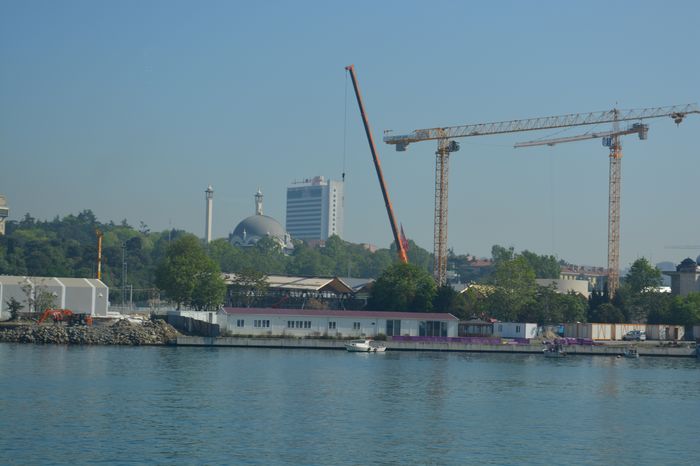
    By the time Hasan Ağa and his supporters reached Üsküdar, across the Bosphorus from Istanbul, the rebellion had become a major political threat. Historical sources state that Hasan Ağa attempted to negotiate with the Sultan by presenting his demands in the form of a petition instead of launching an immediate attack.

    Although the rebellion created great concern, the Ottoman government eventually regained control. The incident demonstrated how dangerous internal conflicts could become, even for one of the world’s most powerful empires.

    A Turning Point in Ottoman History

    The rebellion of the Spahis marked an important turning point in Ottoman military history. Their loss of discipline and loyalty reduced the trust placed in them by the Sultans and weakened their political influence for generations.

    As Ensar Tour Guide often explains, these events remind visitors that the strength of the Ottoman Empire depended not only on victories in battle but also on unity, discipline, and loyalty to the state.

  • Understanding the Strength of the Ottoman Military

    Understanding the Strength of the Ottoman Military

    The Reputation of the Ottoman Army

    For many centuries, the Ottoman Empire was known for its powerful and well-organized military. European writers often described the Ottoman army as one of the strongest forces of its time. Its soldiers fought across Europe, Asia, and Africa, helping the empire expand and defend a vast territory.

    One popular saying claimed that “no grass grows where the Turkish horse has stepped.” This proverb did not mean that horses literally destroyed the land. Instead, it symbolized the speed, strength, and effectiveness of the Ottoman cavalry. Wherever the Ottoman army marched, people believed it left a lasting impression because of its military success Sofia Walking Tour.

    Although such sayings are exaggerated, they reflect the reputation the Ottoman army earned during its most successful centuries.

    Why Military Strength Matters

    Many early historians believed that understanding a country’s military was essential for understanding its government. They argued that strong laws and effective leadership could only succeed if they were supported by an organized army capable of protecting the state.

    The Ottoman Empire relied heavily on military discipline. Soldiers defended borders, maintained order, and protected trade routes. Without a capable army, even the best political system would struggle to survive against external threats or internal unrest.

    For this reason, military organization became one of the foundations of Ottoman administration.

    Knowledge for Statesmen

    Historical writers also believed that successful rulers and diplomats needed to understand the military strength of neighboring countries. Studying geography alone was not enough. A wise statesman also needed to know how many soldiers an enemy could raise, how its army was organized, and how its navy operated.

    This knowledge helped governments prepare for war, negotiate peace treaties, and protect their own interests. Understanding military resources was considered just as important as understanding economics, diplomacy, or trade.

    Many of the early books describing the Ottoman Empire were written to provide European governments with reliable information about the empire’s organization and military capabilities.

    Reliable Historical Sources

    The original author explains that much of his information came from an experienced Ottoman official responsible for military records and troop registration. Such officials carefully maintained lists of soldiers, making them valuable sources of information about the empire’s armed forces.

    Although modern historians compare many different sources before reaching conclusions, these historical records remain important because they provide insight into how the Ottoman military operated during different periods.

    Discover Ottoman History Today

    The legacy of the Ottoman military can still be explored through impressive castles, fortresses, museums, and historic cities across Turkey and the Balkans. Many travelers choose private Sofia tours to discover Sofia’s Ottoman monuments, Roman ruins, and medieval landmarks. Others enjoy customised Sofia tours, which include hidden streets, local museums, archaeological sites, traditional markets, and beautiful churches. These personalized experiences help visitors understand the rich history of Bulgaria while uncovering the lasting influence of the Ottoman Empire on the region.