Category: L33

  • The Decline of the Ottoman Spahis

    The Decline of the Ottoman Spahis

    Losing Their Prestige

    The Spahis were once among the most respected soldiers in the Ottoman Empire. Their close relationship with the Sultan gave them honor, wealth, and influence. Since the Sultan was the source of all titles and privileges, his favor determined the importance of every military officer.

    However, over time the Spahis gradually lost the respect they had once enjoyed. Their involvement in political disputes and repeated rebellions weakened their reputation. As the Ottoman rulers became less willing to trust them, their influence at court steadily declined Guided Round Tours Turkey.

    The Rebellion of 1657

    One of the most important events in their decline took place in 1657 during the leadership of Grand Vizier Köprülü Mehmed Pasha. While preparing for his military campaign against Transylvania, Köprülü ordered the Asian Spahis to gather in Hungary.

    Instead of obeying his command, many of the cavalrymen rebelled. They chose one of their own officers, Hasan Ağa, as their new leader. Hasan Ağa hoped to gain enough support to challenge the authority of the Grand Vizier. His growing influence attracted attention not only within the Ottoman Empire but also across Europe, where many believed the rebellion could weaken Ottoman power.

    A Change in Military Plans

    The uprising became so serious that Köprülü Mehmed Pasha was forced to change his military strategy. Rather than continuing his campaign against Transylvania, he negotiated a reasonable peace so that he could return and deal with the growing crisis inside the empire.

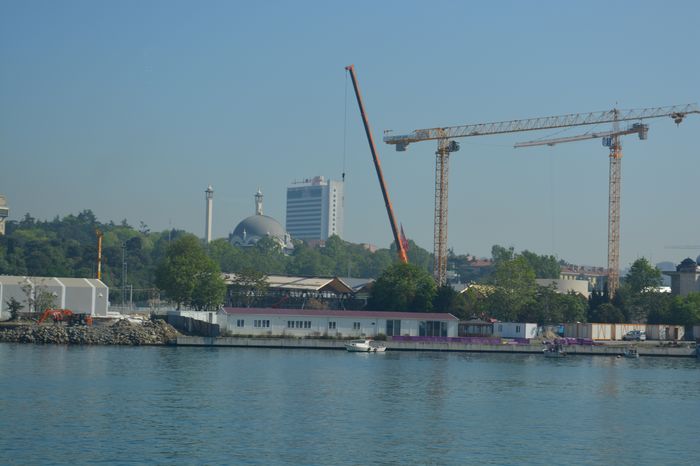
    By the time Hasan Ağa and his supporters reached Üsküdar, across the Bosphorus from Istanbul, the rebellion had become a major political threat. Historical sources state that Hasan Ağa attempted to negotiate with the Sultan by presenting his demands in the form of a petition instead of launching an immediate attack.

    Although the rebellion created great concern, the Ottoman government eventually regained control. The incident demonstrated how dangerous internal conflicts could become, even for one of the world’s most powerful empires.

    A Turning Point in Ottoman History

    The rebellion of the Spahis marked an important turning point in Ottoman military history. Their loss of discipline and loyalty reduced the trust placed in them by the Sultans and weakened their political influence for generations.

    As Ensar Tour Guide often explains, these events remind visitors that the strength of the Ottoman Empire depended not only on victories in battle but also on unity, discipline, and loyalty to the state.

  • Changes in the Janissary Corps and Military Service

    Changes in the Janissary Corps and Military Service

    The Traditional Role of the Janissaries

    The Janissaries were once the elite soldiers of the Ottoman Empire and were considered among the finest infantry forces in the world. They were originally expected to devote their lives entirely to military service. Strict discipline, regular training, and complete loyalty to the Sultan were the foundations of the Janissary system.

    In the early centuries of the empire, Janissaries were generally discouraged from marrying or engaging in private business. Their main responsibility was to serve the state, remain ready for military campaigns, and protect the empire whenever needed Sofia Walking Tour.

    This system helped create a highly professional army that contributed to many Ottoman victories.

    Marriage and Civilian Life

    Over time, however, the rules governing the Janissaries gradually changed. Historical accounts describe how many soldiers were eventually allowed to marry and establish families. Some also became merchants, craftsmen, or shopkeepers while continuing to receive military salaries.

    As family responsibilities increased, many Janissaries divided their attention between military duties and civilian occupations. Supporting wives and children required additional income, encouraging many soldiers to focus more on trade than on military training.

    Although these changes improved family life for many Janissaries, some historians believed they reduced the military effectiveness of the corps.

    Declining Interest in Military Campaigns

    Several seventeenth-century writers observed that many Janissaries became less willing to participate in distant military campaigns. According to these accounts, some soldiers preferred to remain in their businesses rather than leave their families for long periods of service.

    Historical sources even claim that, during campaigns in Crete (Candia) and Hungary, certain Janissaries attempted to avoid military duty by offering gifts or payments in exchange for exemption. While these reports may not have represented every soldier, they suggest that attitudes toward military service had changed compared with earlier generations.

    Modern historians note that such observations reflected particular periods and should not be viewed as describing the entire history of the Janissary corps.

    Tension Within the Army

    Some historical writers also reported that rumors of new military campaigns sometimes caused dissatisfaction among parts of the army. Soldiers who had become comfortable with civilian life occasionally questioned the reasons for war or worried about leaving their families and businesses behind.

    Ottoman rulers viewed any organized resistance within the military as a serious threat because the Janissaries were one of the empire’s most powerful institutions. Maintaining discipline remained essential for preserving stability throughout the state.

    Discover Ottoman History Today

    The fascinating story of the Janissaries can still be explored through museums, fortresses, palaces, and historic neighborhoods across Turkey and the Balkans. Travelers interested in Ottoman heritage often choose private Sofia tours to discover Sofia’s Ottoman monuments, Roman ruins, and medieval landmarks. Others prefer customised Sofia tours, which offer flexible itineraries featuring hidden streets, traditional markets, museums, and lesser-known historical sites, providing a deeper understanding of Bulgaria’s rich multicultural past.