Category: L32

  • Slow Travel Across the Balkans with a Custom Plan

    Slow Travel Across the Balkans with a Custom Plan

    Slow travel is not about doing nothing. It is about choosing experiences carefully and giving them enough time. Customized Balkan tours can help travelers build days around their interests rather than follow a packed schedule from morning to evening.

    Choose a comfortable daily rhythm

    Start by thinking about how you like to spend a holiday. Do you enjoy early starts, or would you rather take the morning slowly? Are you happy with long walks, or do you prefer shorter visits and time to relax? These answers can help set a practical pace for the trip.

    If Istanbul is on your itinerary, a Guided Istanbul Tour with Ensar may be a way to explore the city with a personal focus. Consider which places interest you most and how much guided time you want. A thoughtful plan can give structure to the day while still leaving room to enjoy it.

    Pick meaningful stops

    A trip with fewer stops can give you more time to experience each place. You might spend a morning exploring, take a break for lunch and enjoy a quieter afternoon. That kind of day can feel more rewarding than rushing from one activity to another.

    When exploring options, Customized Tours Balkan can help you consider a route shaped around your preferences. Share what you want to experience and how much time you have. Ask about travel times between stops so you can decide whether the schedule feels comfortable.

    Let each day be different

    A balanced trip can include active days and slower ones. After a full day of walking, choose a lighter schedule. If you have spent time in the city, a change of scenery can offer a different kind of energy. A little variety helps the journey feel natural.

    Prepare without overpacking

    Choose comfortable footwear and clothing that suits your activities. Keep water and daily essentials close at hand, and confirm meeting details before each outing. If anyone in your group needs extra breaks, include that in the plan.

    A slower approach gives you more chances to notice the atmosphere of a place. Plan the important parts, allow time to pause and let the journey take shape around your group.
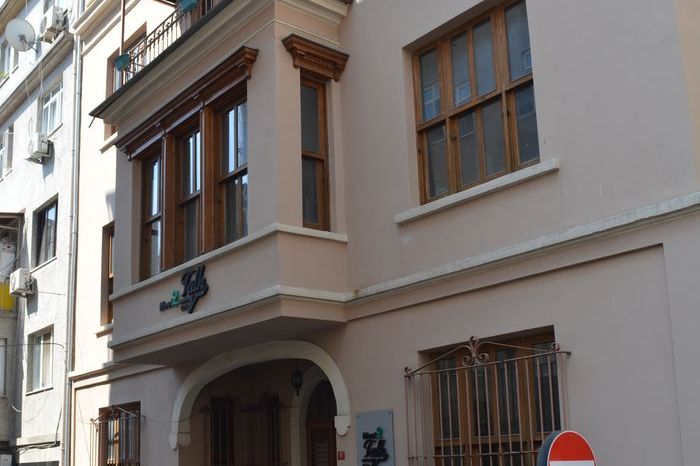
  • Tour Guide Istanbul for Creative Travelers

    Tour Guide Istanbul for Creative Travelers

    Use the city as creative inspiration

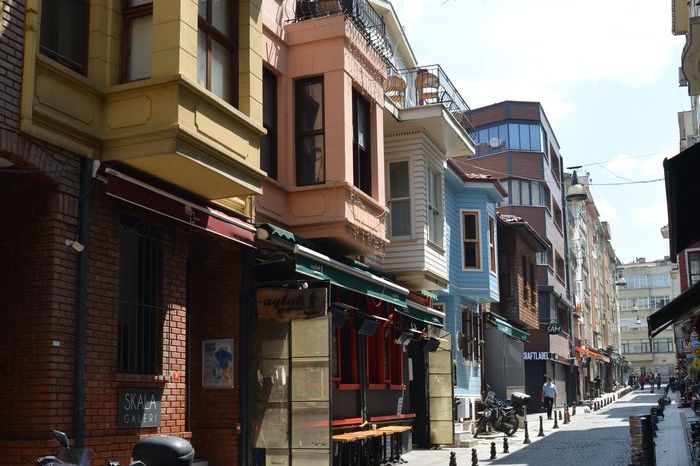
    Istanbul is full of scenes that invite attention. Light changes across the water, old streets lead into busy modern areas, and small details appear in shop windows, doorways, markets, and public squares. For photographers, writers, artists, and curious travelers, a guided day can become a source of creative inspiration.

    Rather than chasing only the most familiar views, choose a route that follows your visual or personal interests. You may want to find street scenes, architecture, local crafts, waterfront perspectives, or quiet places where you can sit and observe.

    Look for a personal visual story

    A creative day works best when it has a loose theme. You might focus on patterns, color, daily routines, city contrasts, or the relationship between people and public spaces. This gives the tour direction while allowing room for spontaneous discoveries.

    For help creating a route around your creative interests, see Tour Guide Istanbul. Explain whether you prefer photography, design, local culture, or history. A customized route can help you spend more time in places that offer the atmosphere you want.

    Take photographs, but do not feel pressure to capture everything. A few careful images often tell a stronger story than hundreds of quick pictures. Notice sounds, movement, light, and the feeling of each place as you walk.

    Plan for a comfortable walk

    Creative exploration often means stopping frequently, walking at a slower pace, and returning to a view when the light changes. Wear comfortable shoes and carry water. Keep your bag light enough that you can move easily through the city.

    Respect local spaces and other visitors when taking photos. A thoughtful approach lets you enjoy the scene without interrupting daily life around you.

    Ask about hidden details

    A guide can point out stories that add meaning to what you see. An old building, a narrow passage, or a neighborhood market may have a history that changes the way you view it. These details can inspire better photographs and more memorable observations.

    If you want a local perspective during your creative walk, consider Ensar Tour Guide. Ask about places that are especially interesting at different times of day or areas that match your visual interests.

    Take home a personal view of Istanbul

    A creative visit is less about seeing every famous place and more about noticing what speaks to you. With a flexible route, a comfortable pace, and attention to small moments, Istanbul can become a city that inspires long after your trip ends.

  • Ephesus Guides for Travelers Who Love the Small Details

    Ephesus Guides for Travelers Who Love the Small Details

    Look beyond the famous views

    Many visitors arrive at Ephesus hoping to see its best known buildings. The Library of Celsus and the Great Theatre are impressive, but small features along the route can also make the visit special. The shape of a street, a worn stone surface, or a quiet corner may reveal something about how the city was used.

    This kind of travel rewards attention. Rather than trying to see the whole site quickly, choose a manageable pace and give yourself time to notice the setting around each landmark.

    Let local knowledge fill in the gaps

    Ancient ruins do not always explain themselves. A guide can describe how civic spaces and public buildings fit into the life of Ephesus, giving visitors a stronger sense of the city beyond the remaining walls.

    To plan a guided experience, take a look at Ephesus Guides. Think about the kind of visit you prefer, whether that is a focused overview or a deeper conversation about the site’s history. Checking the route and duration can help you find an option that feels right.

    Travel comfortably through the site

    Ephesus is explored on foot, and some paths can be uneven. Choose shoes that feel secure and comfortable for a long walk. Carry water and check the weather before leaving. Sun protection can be useful during bright, warm days.

    Give your schedule some flexibility. A slower pace can make it easier to listen to a guide, take photographs, and stop when something catches your eye. If you are visiting with family, consider breaks and the walking needs of everyone in the group.

    Make observation part of the experience

    Try looking at the site in layers. First, take in the scale of the buildings. Then notice how the streets connect them. Finally, look for the smaller textures and details that make each area distinctive. This approach can help you remember more than a list of names and dates.

    A guide can answer questions as they arise, but it is also valuable to take a quiet moment to look around without a set task. The contrast between busy paths and quieter spaces can change how the ancient city feels.

    Leave with a personal story

    A visit to Ephesus can be shaped by the details that speak to you most. It may be a grand facade, a wide street, or the feeling of walking through a place with such a long history. Ephesus guides can help you understand what you are seeing, while your own curiosity makes the experience personal. Plan for comfort, keep your pace flexible, and let the site unfold one discovery at a time.

  • The Fall of Hasan Ağa’s Rebellion

    The Fall of Hasan Ağa’s Rebellion

    Hasan Ağa’s Appeal to the Sultan

    As Hasan Ağa and his followers approached Üsküdar, he claimed that his actions were not directed against the Ottoman Sultan. Instead, he presented himself as a loyal servant who wished to protect the empire. He argued that his long march had one purpose: to inform the young Sultan about the corruption of his ministers and the poor administration of the government.

    Hasan Ağa believed that the Sultan was still too young to fully understand the problems affecting the empire. He blamed many of the hardships suffered by the soldiers on the policies of Grand Vizier Köprülü Mehmed Pasha, accusing him of harsh treatment and unfair rule. At least in public, Hasan insisted that he sought only the safety, honor, and well-being of the Sultan and the Ottoman state Guided Round Tours Turkey.

    As Ensar Tour Guide often explains during historical tours, many Ottoman rebellions began with claims of loyalty to the Sultan while criticizing powerful government officials instead.

    A Leader with Doubts

    Historical accounts suggest that Hasan Ağa lacked the determination needed to lead a successful rebellion. Unlike many rebel commanders, he was troubled by his conscience. He hesitated to shed the blood of fellow Muslims, believing that such violence would be difficult to justify.

    This reluctance weakened his position. Successful rebellions often depended on decisive action, but Hasan’s hesitation gave his opponents valuable time to organize their response.

    Köprülü’s Strategy

    Grand Vizier Köprülü Mehmed Pasha took advantage of Hasan Ağa’s uncertainty. While negotiations continued, he ordered Murtaza Pasha, the governor of Baghdad, to secure the city of Aleppo.

    The Sultan and the Grand Vizier sent Hasan reassuring messages, promising that his complaints would receive fair consideration. They encouraged him to return to Aleppo, where Murtaza Pasha had been given authority to negotiate and resolve the soldiers’ grievances.

    Trusting these promises, Hasan Ağa traveled toward Aleppo. However, once he entered Murtaza Pasha’s camp, he was immediately arrested. Instead of continuing the negotiations, Murtaza ended the dispute by ordering Hasan Ağa’s execution.

    The End of the Rebellion

    The death of Hasan Ağa brought the rebellion to a sudden end and restored the authority of the Ottoman government. The episode demonstrated the political skill of Köprülü Mehmed Pasha and the determination of the Ottoman administration to suppress internal revolts before they could threaten the stability of the empire.

  • The Organization of the Ottoman Military

    The Organization of the Ottoman Military

    The Strength of the Ottoman Army

    The Ottoman Empire became one of the largest and most influential empires in history because of its well-organized military. For centuries, its armies defended vast territories across Europe, Asia, and Africa while supporting the authority of the Sultan. Many historians believed that the strength of the empire depended not only on its wealth but also on its disciplined military organization.

    Earlier discussions of the Ottoman government often focused on the income and resources of the Beylerbeys and Pashas, the provincial governors who controlled different regions of the empire. These officials were responsible for raising soldiers, maintaining local order, and supporting military campaigns whenever the Sultan called upon them Sofia Walking Tour.

    Their wealth and influence helped determine how many troops they could contribute during times of war.

    Provincial Governors and Military Service

    The Ottoman administrative system connected government and military service very closely. Each province provided soldiers according to its population, resources, and local leadership.

    Provincial governors maintained their own households, officials, and military followers. During campaigns, these men joined the imperial army together with the elite forces serving directly under the Sultan. This system allowed the empire to gather large armies without maintaining every soldier as a permanent member of the central government.

    The combination of local forces and professional soldiers gave the Ottoman Empire considerable flexibility during both war and peace.

    Different Military Units

    The Ottoman military consisted of several specialized groups, each with different responsibilities. The famous Janissaries served as elite infantry and were among the best-trained soldiers of their time. The Sipahis, or cavalry, protected trade routes, fought in battle, and helped maintain order throughout the provinces.

    In addition to these major forces, the empire employed artillery units, engineers, sailors, guards, and various auxiliary troops recruited from different regions. Together, these military branches created a powerful and diverse fighting force capable of operating across many different landscapes.

    The size of the army changed over time depending on the political situation, available resources, and the scale of each military campaign.

    A Remarkable Military Organization

    European travelers frequently expressed surprise at the Ottoman Empire’s ability to organize and supply large armies over long distances. Maintaining thousands of soldiers required careful planning, efficient taxation, strong leadership, and reliable transportation.

    Although the military system evolved over the centuries and faced periods of reform and decline, it remained one of the foundations of Ottoman power for hundreds of years.

    Exploring Ottoman Heritage Today

    Visitors interested in Ottoman military history can still explore impressive fortresses, palaces, museums, and historic battle sites throughout Turkey and the Balkans. Many travelers choose private Sofia tours to discover Sofia’s Ottoman monuments alongside its Roman and medieval landmarks. Others prefer customised Sofia tours, which offer flexible itineraries including hidden streets, archaeological sites, traditional markets, ancient churches, and fascinating museums. These personalized experiences provide a deeper understanding of Bulgaria’s multicultural past while revealing the lasting influence of the Ottoman Empire on the region.