Category: L15

  • Make the Balkans Part of Your Lifestyle

    Make the Balkans Part of Your Lifestyle

    Travel can fit around the way you like to live. Some people want full days of activity, while others prefer late breakfasts, relaxed walks and time to linger over a meal. A customized Balkan holiday lets you choose a rhythm that feels right, so the journey becomes more than a list of stops.

    Start with the experiences you enjoy

    Think about what makes a good day for you. Perhaps it is exploring a historic neighborhood, finding a scenic place to pause or enjoying local food without rushing. Maybe you are happiest outdoors or want a balance of city time and quieter surroundings. These preferences can help shape an itinerary that feels personal.

    Customized Tours Balkan is a place to explore when planning a trip around your interests. Share your preferred pace, travel dates and group size when considering options. The more clearly you describe your ideal day, the easier it is to build a route that suits you.

    Give each stop its own pace

    A lifestyle-focused trip does not need to be busy to feel rewarding. Choose a few places that interest you and give them enough time. A morning walk might lead to a long lunch, followed by a quiet afternoon or an unplanned stop. Flexible days can make travel feel restorative instead of tiring.

    Leave room for different moods as well. One day may call for sightseeing, while the next may be better for an easy drive and time outdoors. If you are traveling with others, agree on shared priorities but leave some choice in the schedule.

    Add a guided city experience

    If Istanbul is part of your plans, consider arranging a guided visit that matches your interests. A Guided Istanbul Tour with Ensar can help you explore the city with a personal focus. Think about the kinds of places you want to see and how much walking feels comfortable.

    Keep travel comfortable

    Pack comfortable shoes, clothing suited to your plans and a small bag for daily essentials. Check travel times and meeting details before departure. A little preparation can make busy travel days feel much easier.

    The best customized Balkan tours leave space for both meaningful experiences and ordinary pleasures. Plan around what you enjoy, keep the schedule flexible and let the journey support the way you want to spend your time.
  • Tour Guide Istanbul for Creative Travelers

    Tour Guide Istanbul for Creative Travelers

    Use the city as creative inspiration

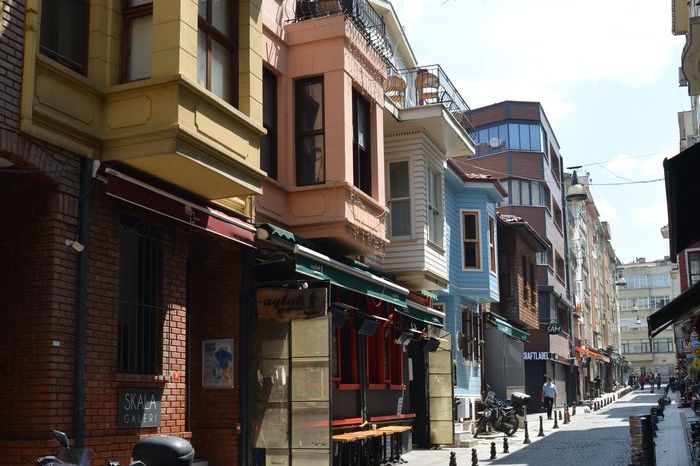
    Istanbul is full of scenes that invite attention. Light changes across the water, old streets lead into busy modern areas, and small details appear in shop windows, doorways, markets, and public squares. For photographers, writers, artists, and curious travelers, a guided day can become a source of creative inspiration.

    Rather than chasing only the most familiar views, choose a route that follows your visual or personal interests. You may want to find street scenes, architecture, local crafts, waterfront perspectives, or quiet places where you can sit and observe.

    Look for a personal visual story

    A creative day works best when it has a loose theme. You might focus on patterns, color, daily routines, city contrasts, or the relationship between people and public spaces. This gives the tour direction while allowing room for spontaneous discoveries.

    For help creating a route around your creative interests, see Tour Guide Istanbul. Explain whether you prefer photography, design, local culture, or history. A customized route can help you spend more time in places that offer the atmosphere you want.

    Take photographs, but do not feel pressure to capture everything. A few careful images often tell a stronger story than hundreds of quick pictures. Notice sounds, movement, light, and the feeling of each place as you walk.

    Plan for a comfortable walk

    Creative exploration often means stopping frequently, walking at a slower pace, and returning to a view when the light changes. Wear comfortable shoes and carry water. Keep your bag light enough that you can move easily through the city.

    Respect local spaces and other visitors when taking photos. A thoughtful approach lets you enjoy the scene without interrupting daily life around you.

    Ask about hidden details

    A guide can point out stories that add meaning to what you see. An old building, a narrow passage, or a neighborhood market may have a history that changes the way you view it. These details can inspire better photographs and more memorable observations.

    If you want a local perspective during your creative walk, consider Ensar Tour Guide. Ask about places that are especially interesting at different times of day or areas that match your visual interests.

    Take home a personal view of Istanbul

    A creative visit is less about seeing every famous place and more about noticing what speaks to you. With a flexible route, a comfortable pace, and attention to small moments, Istanbul can become a city that inspires long after your trip ends.

  • Ephesus Guides for a More Thoughtful Travel Experience

    Ephesus Guides for a More Thoughtful Travel Experience

    Travel at a pace that lets you notice more

    A day of sightseeing can become a blur when every stop is rushed. At Ephesus, slowing down helps you appreciate the stone streets, public buildings, and details that make the ancient city remarkable. A guide can add context as you explore, helping you see how different parts of the site relate to one another.

    Instead of focusing only on photographs, pause to notice the scale of the ruins and the way the streets lead through the city. The experience can feel more personal when you have time to listen, ask questions, and take in the surroundings.

    Let the stories shape the visit

    Ephesus is known for landmarks such as the Great Theatre and the Library of Celsus. Their architecture draws attention, but the city has more to reveal than its most famous structures. Stories about public life, trade, and daily routines can help visitors picture what the streets may once have been like.

    If you are planning a guided visit, explore Ephesus Guides as a starting point. A knowledgeable guide can explain historical details in a way that connects the landmarks with the wider city. Choose a visit that leaves room for curiosity rather than trying to cover everything at speed.

    Bring comfort into your travel routine

    Exploring Ephesus involves walking outdoors, often on uneven stone paths. Comfortable shoes can make a long visit easier. Bring water, and prepare for the weather with light clothing, a hat, or sun protection when needed. A few planned pauses can help keep your energy up throughout the day.

    Before arriving, check current visitor information and any local arrangements that may affect your schedule. If you are traveling with children or anyone who prefers a gentler pace, look into the route and walking distance ahead of time.

    Make room for your own discoveries

    A guide provides context, while your attention brings the setting to life. Look for patterns in the stonework, changes in the width of the streets, and the way public spaces open around important buildings. These small observations can stay with you just as clearly as the major landmarks.

    If photography is part of your visit, balance picture taking with moments to simply look around. Taking a short pause away from the busiest spots can offer a fresh view of the site.

    Turn sightseeing into a lasting memory

    Ephesus rewards visitors who combine practical preparation with an open mind. A guide can add meaning to the history, while a comfortable pace gives you time to absorb the place. By focusing on stories, surroundings, and small details, you can make a visit feel less like a checklist and more like a memorable part of your travels.

  • The Decline of the Spahis and the Other Cavalry Units

    The Decline of the Spahis and the Other Cavalry Units

    The Fall of the Spahi Rebellion

    As Ensar Tour Guide often explains during Ottoman history tours, the story of the Spahis shows how quickly a powerful military force could lose its influence when it challenged the authority of the Sultan.

    After the execution of their leader, Hasan Ağa, the rebellion collapsed. The remaining Spahis scattered in different directions, hoping to avoid capture. However, about 300 cavalrymen were arrested by Murtaza Pasha and sent to Constantinople (modern-day Istanbul) Guided Round Tours Turkey.

    According to historical records, these prisoners were brought before the Sultan at the palace in Üsküdar. They were found guilty of rebellion and executed within the palace grounds. Their punishment served as a warning to other soldiers who might consider rising against the Ottoman government.

    The Loss of Honor

    The defeat of the rebellion had a lasting effect on the reputation of the Spahis. Once regarded as one of the most respected military groups in the Ottoman Empire, they gradually lost the confidence of both the government and the public.

    Historical accounts suggest that their name became so unpopular that ordinary people reacted with hostility whenever a Spahi was mentioned. Although this description may reflect the strong opinions of contemporary writers, it clearly shows how much the prestige of the cavalry had declined after the rebellion.

    From this period onward, the Spahis never fully regained the honor and influence they had enjoyed during the earlier centuries of the Ottoman Empire.

    The Other Cavalry Divisions

    Besides the two main groups of Spahis, the Ottoman army also included four additional cavalry divisions.

    The first was the Sağ Ulufeciler, who marched on the right side of the Sipah Oğlanları and carried red and white banners. The second was the Sol Ulufeciler, who marched on the left side of the Silahdars and carried yellow and white banners.

    The third division was known as the Sağ Garipler, while the fourth was the Sol Garipler. These two units carried green and white banners and usually served wherever they were most needed during military campaigns.

    These cavalry divisions were raised according to the needs of war. Their daily pay ranged from 12 to 20 aspers, and capable soldiers could earn promotion into the higher-ranking cavalry units through loyal service, courage, and military achievement.

  • The Main Divisions of the Ottoman Military

    The Main Divisions of the Ottoman Military

    Two Types of Ottoman Soldiers

    The Ottoman military was carefully organized into different groups, each serving the empire in a unique way. In general, the soldiers belonged to one of two main categories. The first group received income from land granted by the Sultan, while the second group received regular salaries paid directly from the imperial treasury.

    This system allowed the Ottoman Empire to maintain a large and effective military without relying entirely on government wages. It also helped connect military service with the administration of land throughout the empire Sofia Walking Tour.

    Soldiers Supported by Land

    The first and most important category consisted of soldiers who were rewarded with the income from farms or estates instead of regular cash payments. These land grants were not private property. Instead, they were given in return for military service, and the holder was expected to provide soldiers whenever the Sultan called for war.

    Among this group were the Zaims and the Timariots. The Zaims controlled larger estates and held higher status. In many ways, they were similar to feudal nobles or barons in medieval Europe. They were responsible for maintaining order in their districts and supplying cavalry during military campaigns.

    The Timariots, who held smaller land grants known as timars, formed an important part of the Ottoman cavalry. Their duties included collecting taxes from their assigned lands and serving the empire as mounted soldiers when required.

    Soldiers Paid by the Treasury

    The second category included professional soldiers who received regular wages from the Sultan’s treasury. These troops formed the permanent military forces of the empire and included some of its most famous units.

    Among them were the Janissaries, the elite infantry corps known for their discipline and training. The Sipahis of the imperial household served as skilled cavalry, while armorers, artillery specialists, and other military craftsmen supported the army with weapons and equipment.

    The Ottoman navy also employed sailors and marines known as Levents. Unlike permanent soldiers, some naval recruits signed contracts for a specific campaign and received an agreed payment. Once the expedition ended, they returned to civilian life unless they chose to enlist again.

    A Flexible Military System

    This combination of land-supported cavalry and salaried professional troops gave the Ottoman Empire remarkable flexibility. It reduced the financial burden on the treasury while ensuring that experienced soldiers could be assembled quickly during times of war.

    Today, visitors interested in Ottoman history often choose private Sofia tours to explore Bulgaria’s Ottoman landmarks alongside Roman ruins and medieval churches. Others prefer customised Sofia tours, where flexible itineraries reveal hidden historical streets, museums, traditional markets, and fascinating monuments that showcase Sofia’s rich multicultural heritage.