Category: I11

  • A City First Route for Istanbul and Bulgaria

    A City First Route for Istanbul and Bulgaria

    A well-planned regional holiday does not have to feel like a race between destinations. Start with the city experience that interests you, then allow the rest of the route to unfold at a comfortable pace. For travelers considering a Private Balkan Trip, Istanbul and Bulgaria can offer contrasting parts of a wider journey.

    Make Istanbul your first chapter

    Give yourself time to explore the city in a way that suits you. Some visitors enjoy guided walks and the stories behind historic sites. Others prefer to browse neighborhoods, stop for a meal and keep part of the day unplanned. A personal tour can help you make the most of your time while keeping the experience focused on your interests.

    Personal Istanbul Tours with Ensar may be useful when planning a guided city visit. Think about what you hope to see and how much activity feels comfortable. If your group includes travelers with different interests, discuss priorities before the day begins.

    Build a comfortable transition

    After time in the city, a change of setting can be refreshing. Avoid filling the first day of travel with too many activities. Check your transport arrangements, leave room for breaks and make sure everyone understands the day’s plan. A relaxed transition can help the group enjoy the next part of the holiday.

    When planning Bulgaria, choose experiences that match your reason for traveling. You might focus on local culture, scenic routes, historic areas or a blend of several interests. Tailor-Made Bulgaria Tours can be explored as one way to shape a visit around your preferences. Share your group size and desired pace when comparing options.

    Choose fewer stops with more time

    It is easy to add too many places to an itinerary. A smaller number of well-chosen stops can give you more time to enjoy each one. Leave room for a long lunch, a walk through town or a scenic pause. These parts of the day can become as memorable as the main sights.

    Prepare before you go

    Confirm the schedule, meeting points and what is included in your arrangements. Pack comfortable shoes and clothing suited to your plans. Keep your daily essentials close at hand.

    A thoughtful Istanbul and Bulgaria route balances activity with breathing room. With a flexible plan, your Private Balkan Trip can feel organized while still leaving space for spontaneous discoveries.
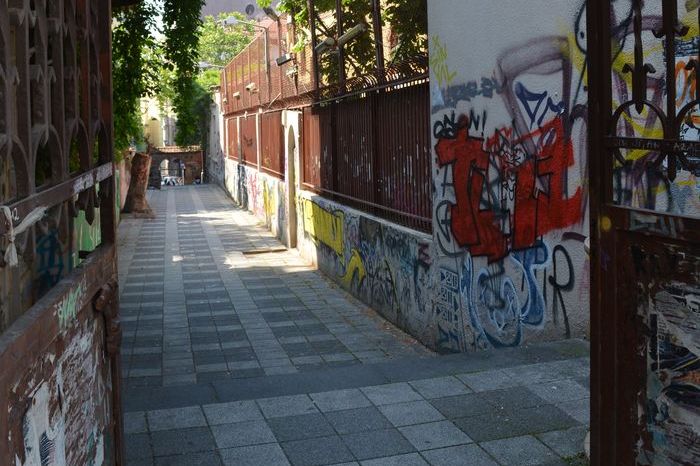
  • Customized Istanbul City Tour for Local Neighborhood Discoveries

    Customized Istanbul City Tour for Local Neighborhood Discoveries

    Look past the postcard view

    Istanbul has famous landmarks that draw travelers from around the world. Yet many visitors remember the smaller scenes just as clearly. A morning cafe, a lively side street, a local market, or a quiet view across the water can create a stronger sense of connection to the city.

    A customized Istanbul city tour is ideal for travelers who want to explore beyond the standard route. Instead of following a fixed list, you can choose neighborhoods that fit your interests and spend time where the atmosphere feels right.

    Build a day around a theme

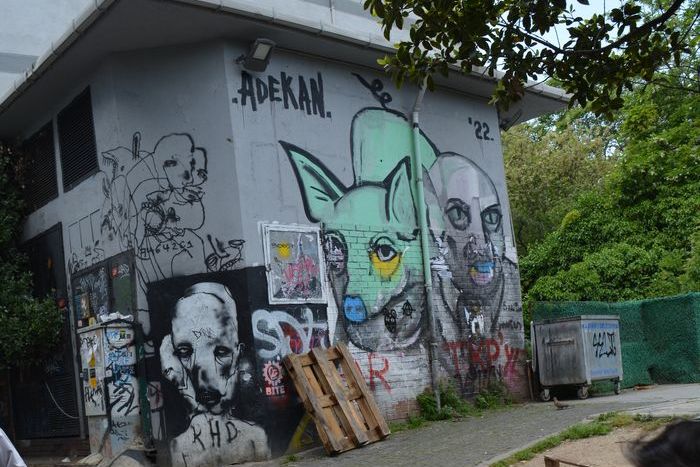
    Think about what you want to discover. You may be interested in photography, old streets, street art, local food, bookstores, crafts, or everyday city life. A simple theme gives your itinerary direction while keeping it flexible.

    For a neighborhood based experience, take a look at Customized Istanbul City Tour during your planning. Explain what you enjoy so the route can include places that feel relevant to you rather than only the busiest visitor areas.

    A guide can add context to what you see. They may explain how a district developed, why a market became important, or how residents use a public space today. These details can make a walk feel more meaningful.

    Slow down and observe

    Neighborhood exploration works best at an unhurried pace. Leave time to stop for coffee, browse a shop, take photographs, or watch the street life around you. The goal is not to cover the most ground. It is to notice the character of each area.

    Wear comfortable shoes and bring water because even a relaxed route can involve plenty of walking. Check the weather before you leave and dress for the conditions. A small bag is useful when moving through busy streets.

    Follow the unexpected moments

    A customized route should leave room for change. A local event, a quiet lane, or an interesting storefront may invite you to stay longer. These moments can become the highlights of the day because they feel natural and personal.

    Ask for recommendations for later in your trip. A guide may suggest an evening area, a local restaurant, or a viewpoint that suits your style.

    Experience Istanbul with more depth

    A neighborhood focused tour can show Istanbul as a city of people, routines, and distinct local spaces. By following your interests and moving at a comfortable pace, you can find experiences that go beyond the familiar highlights. The city becomes easier to remember because you explored it in your own way.

  • A Cultural Journey from Bulgaria to Ephesus

    A Cultural Journey from Bulgaria to Ephesus

    Add archaeology to your travel plans

    A Bulgaria holiday can take many forms, from city breaks to coastal escapes. For travelers drawn to ancient history, Ephesus offers a memorable addition in western Turkey. Its monumental remains and long streets create an opportunity to explore how a historic city developed and functioned.

    Plan this as a distinct part of your journey. Check transport options, travel time, and whether you will need an overnight stay nearby. Leaving enough room in your schedule can make the experience more comfortable and give you time to explore without watching the clock.

    Read the site as a city

    The Library of Celsus and the Great Theatre are among Ephesus’ best known landmarks. Yet the wider site has a story of its own. Streets connect public buildings and shared spaces, giving visitors clues about how residents moved through the city and gathered for daily activities.

    For travelers who prefer a more personal introduction, Tour Guide Ephesus may be useful when researching guide options. Look at the route and timing, then decide whether a private visit suits your travel style. A guide can help you focus on details that are easy to miss when exploring alone.

    Choose a visit that fits your interests

    Some visitors want a detailed account of the city’s past. Others prefer a concise overview and more time for independent exploration. Think about your priorities before booking. If architecture interests you, allow time to look closely at facades and stonework. If you enjoy broader history, ask whether the route covers the city’s development and daily life.

    Wear comfortable walking shoes and bring water. The visit takes place outdoors, so check the weather and prepare for sun or changing conditions. Paths may be uneven, which makes a steady pace and suitable footwear helpful.

    Make space for small discoveries

    It is natural to head straight for the best known monuments, but smaller details can be just as rewarding. Notice the paving, the layout of the streets, and how different ruins sit in relation to one another. These observations help turn a sightseeing route into a fuller picture of city life.

    Check current site information before leaving, since opening details and visitor arrangements can change. If you are traveling with family or anyone who needs a slower pace, review the expected walking distance in advance.

    Connect places through history

    A trip that begins in Bulgaria and continues to Ephesus can offer a wider view of the region’s history and landscapes. The contrast between destinations adds variety, while a guided visit helps make the archaeological remains easier to understand. Careful planning, a comfortable pace, and a guide suited to your interests can make Ephesus a highlight of your journey.

  • The Decline of the Ottoman Spahis

    The Decline of the Ottoman Spahis

    The Fall of the Powerful Cavalry

    The Ottoman Spahis were once among the richest and most respected cavalrymen in the empire. Many owned large estates, fine horses, and traveled with groups of servants and armed followers. Their wealth and influence made them an important part of the Ottoman military for many centuries.

    However, over time, some of the leading Spahis became involved in political rivalries, factional disputes, and acts of rebellion. During the seventeenth century, these conflicts became a serious problem for the Ottoman government. Powerful military officers often competed for influence, creating instability within the empire.

    The famous Grand Vizier Köprülü Mehmed Pasha decided to restore order with strict measures. Historical accounts describe how he punished rebellious military leaders without hesitation. Many influential Spahis who were believed to threaten the authority of the Sultan were removed from office or executed. His actions greatly reduced the political power of the Spahi elite and strengthened the central government Customized Turkey Tour.

    A Simpler Military Life

    After these reforms, the remaining Spahis were no longer the wealthy cavalrymen they had once been. Many became ordinary soldiers with limited resources. Instead of leading large groups of followers, several cavalrymen often shared a single tent during military campaigns.

    A small group of around ten or eleven soldiers might travel together, maintaining only two or three horses and a mule to carry supplies and equipment. Their lifestyle became much simpler than that of earlier generations of Spahis.

    Discipline and Punishment

    Military discipline remained strict within the Ottoman army. Minor offenses committed by Spahis were usually punished by beating the soles of the feet, a common military punishment of the period. This method allowed cavalrymen to continue riding after they recovered.

    The Janissaries, the elite infantry, received a different form of punishment, usually on the buttocks, so that they could continue marching without serious injury. More serious crimes were not handled within the military unit. Soldiers accused of major offenses were taken before higher Ottoman authorities, where they could face imprisonment, dismissal, or even execution if found guilty.

    As Ensar Tour Guide often explains during Ottoman history tours, the history of the Spahis reflects both the strength and the challenges of the Ottoman military system. Their rise, decline, and strict discipline reveal how the empire worked to maintain control over one of the largest armies of its time.

  • Military Discipline and the Lives of Ordinary People in the Ottoman Empire

    Military Discipline and the Lives of Ordinary People in the Ottoman Empire

    The Burden of Military Campaigns

    The Ottoman Empire maintained a large and powerful army for many centuries. While military strength helped protect the empire and expand its borders, historical writers also described the difficulties that ordinary people sometimes faced during military campaigns Sightseeing Tour Sofia.

    According to several historical accounts, groups of cavalry and infantry soldiers occasionally traveled through villages while moving from one region to another. During these journeys, some soldiers were given temporary lodging and food by local communities. However, not every group behaved responsibly. Certain contemporary writers claimed that undisciplined soldiers sometimes demanded additional money, clothing, or supplies from villagers without proper payment.

    It is important to remember that these reports reflected the observations of particular authors and may not have represented the behavior of the entire Ottoman army.

    Difficult Times for Rural Communities

    Some historical sources describe how military movements placed heavy pressure on farming villages. Families living in rural areas sometimes feared the arrival of large groups of soldiers because they could be required to provide food, shelter, animals, and other supplies.

    A few writers also reported that during periods of unrest, people from regions such as Bulgaria, Serbia, Bosnia, and Albania occasionally suffered from unlawful actions committed by individuals within the military. These accounts include claims of kidnapping and illegal slave trading, although such actions were not part of official Ottoman law and were considered abuses rather than accepted government policy.

    To escape hardship, some families reportedly left their homes and moved to larger towns or sought safety in forests and mountain villages until conditions improved.

    Declining Military Discipline

    Although the Ottoman military continued to follow many of its traditional structures, several historians believed that discipline gradually weakened over time. Earlier generations of soldiers had been praised for strict obedience, careful training, and professional conduct.

    Later writers argued that some officers became less concerned with maintaining these high standards. Negligence and poor leadership, they claimed, allowed corruption to grow within certain military units. As discipline declined, the behavior of some soldiers no longer reflected the values that had made the Ottoman army respected during its greatest period of success.

    Modern historians note that these problems varied greatly depending on the time, location, and individual commanders.

    Discover Ottoman History Today

    The story of the Ottoman Empire is one of both remarkable achievements and significant challenges. Travelers interested in this fascinating history can explore its legacy through historic fortresses, ancient roads, museums, mosques, and traditional neighborhoods across the Balkans.

    Many visitors choose private Sofia tours to discover Sofia’s Ottoman landmarks alongside its Roman and medieval heritage. Others prefer customised Sofia tours, which offer flexible itineraries featuring hidden streets, local markets, archaeological sites, and beautiful historic buildings, creating a deeper understanding of Bulgaria’s rich multicultural past.