Category: G15

  • A Simple Guide to Choosing Your Balkan Route

    A Simple Guide to Choosing Your Balkan Route

    A Private Balkan Trip can take many forms. It might focus on culture and city walks, scenery and relaxed drives, or a thoughtful mix of both. The right itinerary depends on your available time, your travel companions and what you hope to remember when the journey is over.

    What do you most want to see

    Begin with your main interests rather than a long list of destinations. Choose a few experiences that matter most, then build the route around them. If you love historic streets, allow time to explore on foot. If you prefer open landscapes, make room for scenic travel and breaks along the way. A focused plan can feel more satisfying than trying to cover everything.

    For a private route, Private Balkan Trip is one place to explore. Share your interests and ask how the itinerary can accommodate them. Be open about your preferred pace and any needs that could affect daily travel.

    How much travel time feels right

    Driving time can shape the mood of a trip. Some groups are happy to spend longer on the road to reach more places. Others prefer shorter journeys and extra time at each stop. Ask about approximate travel times before settling on a route. This can help prevent an itinerary that looks appealing on paper but feels tiring in practice.

    It may also help to plan different kinds of days. A walk-heavy day can be followed by a slower one. A longer transfer can include time for a meal or a scenic pause. This kind of variety can keep the journey enjoyable for a range of travelers.

    Are you including Istanbul

    If your travel plans extend to Istanbul, decide how much time you want there before finalizing the rest of the route. A Private Istanbul Tour Guide Ensar can be an option for exploring the city with personal guidance. Treat it as a distinct part of the wider journey and allow enough time to enjoy it.

    What should you confirm

    Before departure, check the meeting details, transport arrangements, expected schedule and what is included. Bring comfortable shoes and clothing that can suit changing weather. Keep confirmations and essential documents easy to access. These small preparations can make travel days feel simpler.

    What makes a route memorable

    The best route is the one that fits your group. Choose a few meaningful stops, leave room for breaks and be realistic about how much you can comfortably do each day. A well-paced Private Balkan Trip gives you time to see the region while still enjoying the journey itself.

  • Customized Tour Istanbul for Meaningful Family Travel

    Customized Tour Istanbul for Meaningful Family Travel

    Create a day everyone can enjoy

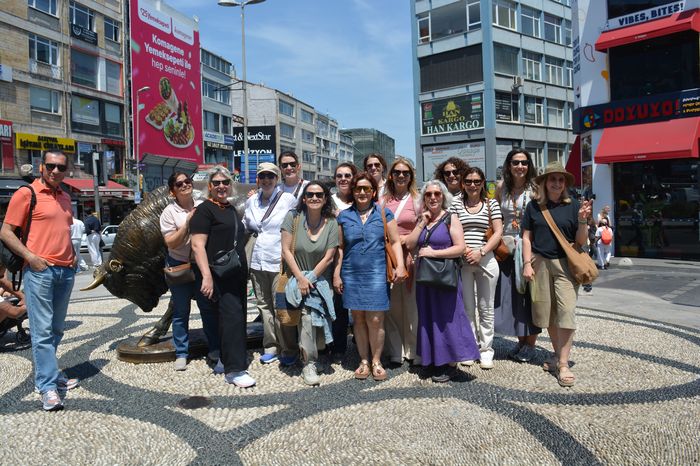
    Family travel works best when each person has a reason to feel involved. Istanbul offers many possibilities, from waterfront views and lively streets to historic buildings and memorable food. A customized tour can help turn these choices into a day that works for different ages and interests.

    Before planning the route, talk about what each person would enjoy. One family member may want to see a famous landmark. Another may be excited by a boat ride, a local snack, or a market. These small preferences can help build a balanced itinerary.

    Keep the pace friendly

    A family day should include breaks. Istanbul has hills, crowds, steps, and plenty of visual activity, so a packed schedule can quickly become tiring. Choose a route with manageable walking distances and allow time to rest, eat, and look around.

    For a flexible family experience, explore Customized Tour Istanbul as part of your travel planning. A route can be adapted around the age of children, the energy level of adults, and the interests you want to share.

    It can be helpful to choose only a few main stops. This leaves room for unexpected moments such as watching boats pass, finding a small shop, or taking a longer lunch break. Those unplanned moments often become favorite family memories.

    Bring history into the conversation

    Children may connect with history through stories rather than facts and dates. Ask a guide to explain how people lived, traveled, traded, or gathered in the city. These details can make old buildings and streets feel more real for younger visitors.

    Adults can enjoy the bigger historical picture while children focus on what they see around them. A good guide can include both without making the day feel like a lesson.

    Prepare for comfort

    Comfortable shoes are important for everyone. Carry water, snacks, sun protection, and a light layer for changing weather. Keep the day bag simple so you can move easily through streets and public areas.

    Choose meeting points that are easy to reach and avoid placing too many fixed commitments in the same day. A flexible schedule gives your family space to adjust if someone needs a rest.

    Share the city in your own way

    A customized tour gives families the freedom to experience Istanbul together without following a one size fits all plan. Build the day around comfort, curiosity, and the things each person enjoys. With a realistic route and a relaxed pace, the city can become a shared story for everyone.

  • Bulgaria and Guided Ephesus Tours for Curious Travelers

    Bulgaria and Guided Ephesus Tours for Curious Travelers

    Discover a different chapter of your trip

    Bulgaria is a rewarding destination for travelers who enjoy historic cities, mountain views, and seaside escapes. If you want to add another cultural experience to your plans, consider a visit to Ephesus in western Turkey. This ancient city is known for its remarkable remains and the stories they tell about trade, civic life, and architecture.

    Because Ephesus is outside Bulgaria, plan it as a separate part of your itinerary. Check transport options, travel time, and any accommodation needs before arranging your schedule. A guided visit can help you explore the site with a clearer sense of its history and layout.

    Why a guide can enrich the visit

    The ruins of Ephesus include famous landmarks such as the Great Theatre and the Library of Celsus. A guide can explain how these places fit into the wider city and help make the route easier to follow. Instead of seeing each building as a separate photo stop, you can learn how streets, public spaces, and important structures connected.

    Travelers considering a guided route can review Guided Ephesus Tours while planning. Compare the tour length, route, meeting point, and transport details with your own schedule. A good fit leaves time to listen, ask questions, and notice details along the way.

    Prepare for an outdoor day

    Exploring Ephesus usually means walking outdoors for an extended period. Comfortable shoes are helpful on stone paths, which may be uneven in places. Carry water and plan for the weather. In warm conditions, a hat and sun protection can make the visit more comfortable.

    Check current visitor information before setting out, since opening details and local arrangements can change. If you are traveling with children or someone who prefers a slower pace, look into the walking distance and route beforehand. A little preparation can help everyone enjoy the experience.

    Make the history feel close

    Ephesus was more than a collection of impressive buildings. It was a working city shaped by movement, trade, and public life. As you walk, notice how the remains line the streets and how different areas appear to have served different purposes. These details can help you picture the routines of people who once lived and worked there.

    A guide can add context, but it is also rewarding to pause and take in the setting. Look at the stonework, the scale of the public buildings, and the relationship between each landmark and the surrounding streets.

    Add Ephesus to a Bulgaria itinerary

    A visit to Ephesus can bring a different perspective to a holiday that starts in Bulgaria. It combines archaeology, architecture, and outdoor exploration in one memorable experience. Plan enough time for travel and sightseeing, choose a guided visit that suits your interests, and leave room for a relaxed pace. With the right preparation, guided Ephesus tours can become a highlight for travelers who want to learn more about the region’s ancient past.

  • Auxiliary Forces of the Ottoman Empire

    Auxiliary Forces of the Ottoman Empire

    Allied Armies of the Ottoman Empire

    In addition to its regular military forces, the Ottoman Empire relied on several auxiliary armies supplied by allied or tributary states. These forces came from Crimea, Wallachia, Moldavia, and Transylvania. Each region was ruled by its own prince, but these rulers were required to support the Ottoman Sultan whenever they were called to war.

    These allied troops strengthened the Ottoman army during major campaigns and played an important role in defending the empire’s borders. Although they remained under the command of their own leaders, they served as valuable partners in Ottoman military operations Customized Turkey Tours.

    The Crimean Tatars

    The most important auxiliary force came from the Crimean Tatars. When the Ottoman Sultan personally led an army into battle, the Crimean Khan was expected to join him with as many as 100,000 cavalrymen.

    If the campaign was commanded by the Grand Vizier instead of the Sultan, the Khan’s son usually led the Tatar army. If there was no suitable heir, another senior Tatar commander took charge, bringing between 40,000 and 50,000 mounted warriors. The Tatars were famous for their speed, mobility, and skill in cavalry warfare, making them one of the empire’s most effective military allies.

    Wallachia, Moldavia, and Transylvania

    The princes of Wallachia, Moldavia, and Transylvania were also expected to serve the Ottoman Empire in person during military campaigns. Each prince usually brought an army of around 6,000 to 7,000 soldiers.

    Historical records mention that Prince Apafi of Transylvania did not leave the borders of his own country during one of the Ottoman wars against the Habsburg Emperor. However, this was not because he had been excused from his duties. Instead, he was ordered to remain in Transylvania to protect the frontier and prevent enemy forces from invading that region while the main Ottoman army campaigned elsewhere.

    An Empire Supported by Allies

    The Ottoman military was strengthened not only by its own soldiers but also by the support of loyal allied states. These auxiliary forces provided experienced cavalry and infantry whenever they were needed.

    As Ensar Tour Guide often explains during Ottoman history tours, the success of the Ottoman Empire depended on cooperation between its central army and its regional allies. This network of loyal princes and experienced warriors helped the empire conduct large military campaigns across Europe, the Balkans, and the Middle East for centuries.

  • The Ottoman Military System and the Strength of the Empire

    The Ottoman Military System and the Strength of the Empire

    A Military Empire

    The Ottoman Empire became one of the most powerful states in world history largely because of its well-organized military system. Unlike colonies that settled in empty lands or kingdoms that expanded mainly through trade and peaceful agreements, the Ottoman state grew through military campaigns and carefully planned conquests.

    Its rulers believed that discipline, organization, and strong leadership were essential for protecting and expanding the empire. As a result, military service became one of the foundations of Ottoman government and society.

    The strength of the empire depended not only on brave soldiers but also on an efficient system that supplied armies, maintained order, and rewarded loyal service.

    The Main Military Forces

    Several important military groups formed the backbone of the Ottoman army. Among the best known were the Janissaries, an elite infantry force that served directly under the Sultan. The Janissaries were highly trained soldiers who became famous throughout Europe for their discipline and battlefield effectiveness.

    Another important group was the Sipahis (often written as Spahis in older texts). These cavalry soldiers received land in return for military service. They played a vital role during campaigns by protecting supply routes, charging enemy forces, and maintaining order throughout the provinces.

    The Ottoman army also included engineers, artillery units, sailors, archers, and many auxiliary troops recruited from different regions of the empire. Together, these forces created one of the most effective military organizations of its time.

    An Empire Built by the Sword

    Historical writers often emphasized that the Ottoman Empire was established through military strength. Rather than inheriting empty territories, the Ottomans expanded by defeating rival states and gradually bringing new regions under their control.

    Because the empire had been created through warfare, many believed that it could only remain strong by maintaining an effective military. Discipline, loyalty, and readiness for battle were considered essential qualities for both soldiers and government officials.

    Military organization influenced nearly every part of Ottoman administration, from taxation and land ownership to provincial government and foreign diplomacy.

    The Importance of Discipline

    One of the greatest strengths of the Ottoman military was its strict discipline. Soldiers were expected to obey orders without hesitation and maintain high standards of conduct. Training prepared them not only for combat but also for life within a carefully organized military system Private Sofia Tour.

    Quick decision-making and efficient command structures allowed Ottoman armies to move rapidly across large territories. These qualities helped the empire win many important victories during its period of expansion.

    Strong discipline also helped maintain order within the empire itself, ensuring that local officials and military commanders carried out the Sultan’s instructions effectively.

    Peace and Military Strength

    Many early historians argued that states created through military power could not survive if they became too comfortable or neglected their armed forces. They believed that luxury, political division, and a lack of discipline could gradually weaken even the strongest empire.

    Although modern historians recognize that many political, economic, and social factors influenced the rise and decline of the Ottoman Empire, there is little doubt that military organization remained one of its greatest strengths for several centuries.

    The Ottoman military adapted to changing technologies and new forms of warfare, allowing the empire to remain a major world power for hundreds of years.

    Exploring Ottoman Military History Today

    Visitors interested in Ottoman history can still discover impressive fortresses, castles, barracks, palaces, and museums throughout Turkey and the Balkans. These historic sites help explain how military organization shaped one of the world’s largest empires.

    Many travelers choose private Sofia tours to explore Sofia’s Ottoman-era landmarks, ancient city walls, historic mosques, museums, and nearby fortifications. Others prefer customised Sofia tours, allowing them to visit Roman ruins, medieval churches, hidden historical neighborhoods, military museums, and beautiful public squares based on their own interests. These personalized journeys reveal how different civilizations, including the Romans, Byzantines, Bulgarians, and Ottomans, influenced the development of the city over many centuries.

    The Legacy of Ottoman Military Organization

    The Ottoman Empire owed much of its success to careful planning, disciplined soldiers, and an efficient military system. Its armies not only conquered vast territories but also helped shape government, trade, and society across three continents.

    Today, the legacy of this remarkable military tradition can still be explored through historic monuments, museums, and archaeological sites. Whether enjoying private Sofia tours or customised Sofia tours, visitors gain valuable insight into the history, culture, and military achievements that left a lasting impact on both Turkey and Bulgaria.