Category: B31

  • A More Personal Day on the Bulgarian Coast

    A More Personal Day on the Bulgarian Coast

    A day by the sea can be peaceful, lively or somewhere in between. In Bulgaria, a private yacht outing offers travelers the chance to set their own pace along the Black Sea coast. Instead of following a large group’s schedule, you can focus on the views and activities that matter to your party.

    Make the outing fit your group

    Start by talking about what everyone wants from the day. Perhaps some people are eager to swim, while others would rather stay on deck and enjoy the scenery. Maybe the outing marks a birthday or a family holiday. Knowing your priorities helps create a plan that feels personal instead of generic.

    When you are exploring options, Private Bulgaria Tours Yachting may be a useful starting point for planning a coastal experience. Ask about trip length, route, meeting arrangements and what is provided on board. Clear details make it easier to decide whether a particular outing suits your schedule and comfort level.

    Let the shoreline set the pace

    The coast looks different from offshore. As the yacht moves along, beaches and built-up areas give way to quieter views and open water. The changing scenery creates a natural rhythm: enjoy the cruise, pause to take photographs or swim if that is part of the plan, and spend time together without rushing to the next stop.

    A simpler itinerary can make the experience more enjoyable. Leave room for conversation and quiet moments, especially if your holiday has included several busy days. Bring water, sun protection and a light cover-up. If you are traveling with children or anyone who has particular needs, mention that while arranging the trip.

    Add a guided city experience

    Some visitors like to combine a coastal stay with time in a historic city. For a separate visit to Turkey, an Ensar Istanbul Tour Guide can offer a way to explore Istanbul with local insight. The seaside and the city make different kinds of memories, so consider giving each experience time to stand on its own.

    A private yacht day can be as relaxed or active as your group prefers. With a few practical details settled in advance, you can focus on the coast, the company and the pleasure of being out on the water.

  • Personal Istanbul Tours for Culture Loving Travelers

    Personal Istanbul Tours for Culture Loving Travelers

    Choose one cultural thread

    Istanbul is rich with art, history, architecture, and food. That abundance can make first time planning difficult. Instead of trying to cover every important place, choose one cultural thread and let it guide your visit.

    You might focus on imperial history, religious architecture, traditional crafts, literary streets, or local cooking. A clear theme gives your day structure and makes each stop feel connected to the next. It also helps you decide which places deserve more time.

    Create a route with meaning

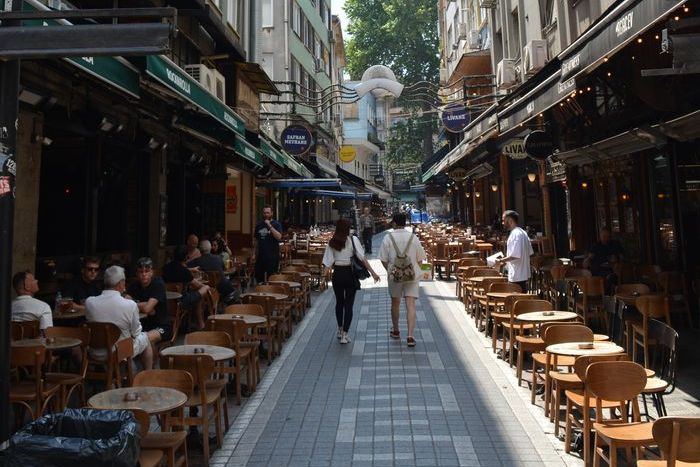
    A well planned personal tour can link famous places with quieter corners. Large historic buildings may explain the scale of the city, while side streets reveal details of daily life. The contrast between them is part of what makes Istanbul so engaging.

    For an itinerary shaped around your own interests, see Personal Istanbul Tours. Consider whether you want an overview of the city or a deeper look at one subject. Both can work well when the pace is comfortable.

    Visitors traveling from Bulgaria can use Istanbul as an extension of a broader cultural trip. Bulgaria offers its own historic towns and layered heritage, while Istanbul adds a different urban setting with its own traditions and visual character.

    Give each stop enough time

    Culture is easier to enjoy when you do not feel rushed. Plan time for a guide to explain a site, for you to look at the details, and for your group to ask questions. A short walk between stops can also be valuable because it shows how different parts of the city connect.

    Think about energy levels as well. The city has steep streets and crowded areas, so choose walking distances that work for you. A relaxed route often creates more room for learning and conversation.

    Taste the local atmosphere

    Food can be part of a cultural visit too. Ask for recommendations that match your preferences and your location. A quiet lunch in a neighborhood cafe may tell you as much about the city as a major landmark.

    Keep your day bag simple with water, sun protection, and a light layer for changing weather. These small choices help you stay comfortable and present during the tour.

    Take home a richer impression

    Personal Istanbul tours work well for travelers who want context instead of a quick overview. A guide can connect architecture, local stories, and everyday scenes into one clear experience. By choosing a theme and leaving room for discovery, you can turn a short visit into a meaningful cultural memory.

  • Plan a Culture Rich Trip from Bulgaria to Ephesus

    Plan a Culture Rich Trip from Bulgaria to Ephesus

    Make space for discovery

    Bulgaria offers a wide mix of experiences, from historic city centers to scenic rural routes. A traveler who wants to explore more regional history can also plan a visit to Ephesus in western Turkey. It is a distinct stop that takes advance planning, but its ancient streets and landmarks offer a memorable change of scenery.

    Think about the role Ephesus will play in your holiday. If archaeology is a major interest, make room for a longer visit. If you have only a short window, choose a schedule that focuses on the sights you most want to see. In either case, account for travel time and check the logistics before confirming the rest of your plans.

    Find your own perspective

    Ephesus is often associated with its most famous monuments, including the Library of Celsus and the Great Theatre. Yet the experience is also about the spaces between them. Walking the old routes gives a clearer sense of how a large ancient city was organized and how public life may have unfolded.

    To compare guided options, take a look at Ephesus Sightseeing Tours. Check the starting point, the tour length, and what the schedule covers. This helps you decide whether a guided introduction suits your visit or whether you would rather explore independently.

    Prepare before you arrive

    Ephesus is an outdoor site, and the walking surface can be uneven. Wear shoes made for a long walk and carry drinking water. In warm weather, bring a hat and sun protection. Build in breaks and avoid an itinerary that leaves too little time to move between points of interest.

    Visitor arrangements can change, so check current details before travel. Consider your transport options and how they affect your arrival time. If you are traveling with children or anyone who needs a gentler route, review the expected walking distance and terrain ahead of time.

    Let the history guide the visit

    The remains of Ephesus point to a city shaped by commerce, civic life, and movement across the region. Public buildings were part of a wider network of streets and gathering places. As you explore, notice how the architecture draws attention and how the routes connect different parts of the site.

    For visitors whose journey begins in Bulgaria, Ephesus can expand a holiday beyond one country’s history. It offers a focused day of archaeology and ancient architecture, balanced by the other experiences in a broader itinerary. A little preparation makes it easier to enjoy the setting, understand what you are seeing, and keep the travel day comfortable. Take your time, look beyond the most photographed spots, and let the remains tell a larger story.

  • Customs and Traditions of the Zaims and Timariots

    Customs and Traditions of the Zaims and Timariots

    Rewards for Bravery

    The Ottoman military rewarded courage on the battlefield. Historical records describe an extraordinary event during the attack on Serinvar (also known as the New Fortress of Count Zrinyi). It is said that the same Timariot estate was granted eight different times in a single day Customized Round Turkey Tours.

    Each time a brave soldier received the title of Timariot, he was soon killed in battle. The land was then immediately awarded to another courageous warrior. This happened repeatedly until the eighth soldier survived and finally became the rightful owner of the estate. The others earned only the honor of holding the title for a short time before losing their lives.

    This story shows both the dangers of frontier warfare and the Ottoman practice of rewarding exceptional bravery with land and military rank.

    Passing Land to the Next Generation

    A Zaim or Timariot who became old, ill, or unable to continue military service had the right to transfer his estate during his lifetime. In most cases, the land was passed to a son or another close relative who was capable of fulfilling the military responsibilities attached to the estate.

    This system helped maintain experienced military families and ensured that the land continued to provide soldiers for the Ottoman army.

    Training Before Promotion

    Not everyone could become a cavalry soldier. A peasant or ordinary villager was not allowed to ride a horse or wear a sword like a Spahi without first receiving proper training. Most future cavalrymen served in the household of a Pasha or another high-ranking official, where they learned military discipline, horsemanship, and Ottoman customs.

    There was one important exception. Along the empire’s dangerous frontier, a common man who showed outstanding courage in battle could earn the opportunity to become a Zaim or Timariot if a military estate became vacant. This allowed talented soldiers to rise through bravery rather than family background alone.

    As Ensar Tour Guide often explains during Ottoman history tours, this system encouraged loyalty, discipline, and courage. It also ensured that the Ottoman cavalry remained one of the strongest and most respected military forces of its time.

  • Wine Youth and a Traditional Story about Its Prohibition

    Attitudes Toward Wine in Ottoman Society

    In the Ottoman Empire, the consumption of wine was viewed differently depending on a person’s age, social position, and religious beliefs. Islamic law clearly prohibited alcohol, and many Muslims followed this rule throughout their lives. However, historical records show that some people still drank wine despite the religious prohibition Sofia Guided Tours.

    Young men who drank wine were often seen as behaving recklessly or foolishly. Their actions were sometimes dismissed as the mistakes of youth. Older men, however, were expected to be wise, responsible, and self-controlled. If an elderly man became known for drinking wine, society often judged him much more harshly. His behavior could be seen as shameful and unworthy of someone who was expected to set a good example for younger generations.

    These attitudes reflected the Ottoman belief that age should bring maturity, discipline, and respectability.

    A Traditional Story About the Prohibition of Wine

    One traditional story attempts to explain why the Prophet Muhammad prohibited the drinking of wine. It is important to understand that this tale is a historical legend rather than an authentic religious account. The Islamic teaching that alcohol is forbidden comes from the Qur’an and the teachings of the Prophet, not from this popular story.

    According to the legend, the Prophet Muhammad was invited to a meal by one of his friends. On his way, he stopped briefly at a wedding celebration. The guests were enjoying themselves, laughing, embracing one another, and celebrating happily. Seeing everyone in such a joyful mood, he supposedly believed that wine had created friendship and kindness among the guests. Because of this, the story says that he spoke positively about wine before continuing on his journey.

    The Second Visit

    Later that same evening, the story continues, the Prophet returned to the house expecting to find the celebration becoming even happier. Instead, he discovered a completely different scene. The guests were arguing, shouting, and fighting with one another. The peaceful atmosphere had disappeared, and disorder had replaced harmony.

    According to the legend, he realized that the same wine which had first appeared to bring happiness had also caused anger, violence, and confusion. From that moment, the story claims that he declared wine to be forbidden, or haram, for his followers.

    Although this tale has been repeated in some historical writings, Islamic scholars generally do not accept it as the reason for the prohibition of alcohol. The Qur’an itself teaches that intoxicants should be avoided because their harmful effects are greater than their benefits.

    Lessons from the Story

    Whether understood as a legend or simply as a moral story, this account teaches an important lesson about moderation and self-control. It suggests that something which appears pleasant at first can later lead to harmful consequences if it is used without wisdom.

    Throughout history, many cultures have shared similar stories warning people about the dangers of excessive drinking. Such stories encouraged individuals to think carefully about their choices and to value peace, respect, and responsible behavior.

    Discovering Ottoman History Today

    The customs and beliefs of the Ottoman Empire continue to fascinate travelers from around the world. Historic mosques, palaces, marketplaces, and museums provide valuable insight into the religious and cultural traditions that shaped everyday life for centuries.

    Visitors interested in the Ottoman influence across the Balkans often enjoy private Sofia tours, where experienced guides explain how Ottoman rule influenced the city’s architecture, trade, and daily life. Others choose customised Sofia tours to explore hidden historical neighborhoods, ancient churches, impressive mosques, Roman ruins, and local museums according to their personal interests. These personalized experiences help visitors understand the rich cultural connections between Bulgaria and the former Ottoman Empire.

    Preserving History Through Travel

    Studying historical traditions allows us to better understand how people lived, believed, and governed in earlier centuries. While some old stories are based on legend rather than historical fact, they still reveal how people explained important religious and cultural practices.

    Today, travelers can continue exploring this remarkable heritage through museums, historical monuments, and guided experiences. Whether choosing private Sofia tours or customised Sofia tours, visitors have the opportunity to discover centuries of fascinating history while experiencing the unique cultural atmosphere that makes Sofia one of the Balkans’ most rewarding destinations.